

Many people reach a point in recovery where they feel stuck between knowing what needs to change and finding the strength to let it happen. If you have been searching for the seventh step prayer aa you may be looking for more than just words on a page. You may be seeking a way to release old habits, overcome character defects, and build a deeper connection with your higher power during your recovery journey.
This guide will help you understand the meaning, purpose, and power of the seventh step prayer aa in a simple and practical way. You will discover the original prayer from the aa big book learn how it supports spiritual growth, explore related recovery prayers such as the third step prayer and 11th step prayer and find inspiring examples to strengthen your daily practice. Whether you are new to alcoholics anonymous or continuing your path toward sobriety, this resource offers the guidance and encouragement you need to move forward with humility, faith, and hope.
What Is the Seventh Step Prayer AA and Why Does It Matter
Recovery is about more than staying sober it is also about becoming the person you were meant to be. The seventh step prayer aa holds a special place in alcoholics anonymous because it encourages members to let go of harmful character traits and seek spiritual growth through humility. For many people this seventh step prayer in aa becomes a daily reminder that lasting change happens when they stop relying solely on themselves and start trusting a Higher Power.
What Is the Seventh Step Prayer in Alcoholics Anonymous
The seventh step prayer in aa is a prayer found in the alcoholics anonymous big book that focuses on willingness, humility, and personal transformation. It asks a higher power to remove character defects that stand in the way of serving others and living a healthier life. Many members view this alcoholics anonymous seventh step prayer as a powerful tool for spiritual progress and emotional healing.
Why AA Members Use the Seventh Step Prayer
The aa seventh step prayer helps members move beyond simply recognizing their shortcomings and begin actively seeking change. By praying with honesty and openness, individuals learn to surrender self-will, reduce pride, and develop a stronger connection with their recovery program. This practice can bring greater peace, self-awareness, and hope during challenging moments.
How Step Seven Supports Spiritual Growth and Recovery
The seventh step prayer of aa supports recovery by encouraging humility, accountability, and trust in a higher power. step seven teaches that meaningful growth often begins when people acknowledge their limitations and ask for help as members continue practicing this principle, they often experience stronger relationships, deeper faith, and a renewed sense of purpose in their recovery journey.
Also Read: 40+ Powerful Sebastian Name Meaning: Origin & Bible Guide
The Original Seventh Step Prayer AA Big Book Version

For many people in alcoholics anonymous the seventh step prayer aa big book version represents a turning point in recovery. It is more than a set of words it reflects a sincere willingness to let go of personal shortcomings and embrace positive change. The aa 7th step prayer encourages humility, self-awareness, and spiritual growth, helping individuals move forward with greater purpose. As part of the recovery journey, the 7th step prayer of alcoholics anonymous continues to inspire members seeking strength, guidance, and a deeper connection with their Higher Power.
Full Seventh Step Prayer from the Big Book
The seventh step prayer aa big book text is one of the most recognized prayers in recovery literature. Many members turn to it daily as a reminder of their commitment to personal growth and spiritual progress. The aa 7th step prayer expresses a heartfelt desire to overcome character defects and become more useful to others. Understanding the complete prayer helps readers appreciate its lasting role within the 7th step prayer of alcoholics anonymous tradition.
The Meaning Behind Each Line of the Prayer
Every line of the seventh step prayer aa big book carries a deeper message about humility, surrender, and transformation. Rather than focusing only on personal improvement, the prayer encourages individuals to seek freedom from behaviors that may harm themselves or others. The aa 7th step prayer highlights the importance of trusting a higher power while actively working toward change. Exploring the meaning behind each phrase can reveal valuable lessons that make the 7th step prayer of alcoholics anonymous even more powerful and relevant in daily life.
Understanding Step Seven in the 12 Steps to AA
Step Seven is often described as the turning point where awareness becomes action. After identifying personal shortcomings in earlier steps, members of 7th step aa begin the process of asking their Higher Power to remove the character defects that interfere with recovery, relationships, and spiritual growth. Within the 12 steps to aa this step emphasizes willingness, humility, and trust, helping individuals move closer to lasting transformation rather than simply recognizing their struggles.
What Happens During Step Seven
During step seven, members humbly ask their Higher Power to remove the defects of character that have held them back. This step is not about becoming perfect overnight; it is about developing the willingness to change and grow. Many people use prayer, meditation, and daily reflection to strengthen their commitment to recovery and align their actions with healthier spiritual principles.
Why Humility Is the Foundation of Step Seven
Humility plays a central role in step seven because meaningful change begins when a person recognizes they cannot overcome every challenge alone. Instead of relying on self-will, members learn to trust spiritual guidance and accept help from their higher power and recovery community. This mindset creates room for personal growth, stronger relationships, and a deeper sense of peace throughout the recovery journey.
What the 12 and 12 Says About Character Defects
The 12 and 12 officially known as twelve steps and twelve traditions teaches that character defects often stem from fear, selfishness, pride, and other self-centered attitudes. It explains that these shortcomings can block spiritual progress and prevent individuals from living fulfilling lives. By practicing humility and seeking guidance from a higher power, members learn to address these defects honestly and replace them with qualities such as patience, compassion, gratitude, and service to others.
Benefits of the Seventh Step Prayer in Recovery
The seventh step prayer offers more than a moment of reflection; it provides a practical path toward personal and spiritual growth. Many people in recovery turn to this prayer when they want to overcome character defects, strengthen their faith, and build healthier relationships. By practicing the principles of humility, surrender, and trust, individuals can experience meaningful changes that support long-term sobriety. These benefits often extend beyond recovery, helping people find greater peace, purpose, and connection in their daily lives.
Build a Stronger Connection With Your Higher Power
One of the greatest benefits of the seventh step prayer is the opportunity to deepen your relationship with a Higher Power. Through honest prayer and willingness to change, many people feel more guided, supported, and connected. This growing spiritual bond can provide comfort during difficult times and encourage confidence throughout the recovery journey.
Replace Self-Will With Spiritual Guidance
Recovery becomes more manageable when you stop carrying every burden alone. The seventh step prayer encourages individuals to release self-will and seek spiritual direction instead. By trusting a Higher Power for guidance, many people find clarity in decision-making, reduce unnecessary stress, and develop a healthier perspective on life’s challenges.
Develop Greater Humility and Self-Awareness
Humility is a key principle of Step Seven because it opens the door to honest self-examination. The prayer helps individuals recognize personal shortcomings without shame while encouraging a willingness to grow. As self-awareness increases, it becomes easier to make positive changes that support recovery and personal development.
Strengthen Emotional and Spiritual Healing
Healing often begins when people acknowledge their struggles and seek help beyond themselves. The seventh step prayer promotes emotional recovery by encouraging forgiveness, acceptance, and spiritual growth. Over time, this practice can reduce resentment, ease emotional burdens, and create a stronger foundation for lasting inner peace.
Character Defects Addressed Through the 7th Step Prayer
One of the most important purposes of the 7th step prayer is to help individuals identify and release the character defects that interfere with recovery, relationships, and spiritual growth. In alcoholics anonymous these shortcomings are not viewed as permanent flaws but as obstacles that can be overcome through humility, self-awareness, and reliance on a Higher Power. By honestly acknowledging these traits and seeking guidance to change them, members create space for personal transformation, emotional healing, and a stronger foundation for lasting sobriety.
Pride: pride can make it difficult to accept help, admit mistakes, or recognize personal limitations. The 7th step prayer encourages humility by reminding individuals that growth begins when they become willing to learn, listen, and trust a Higher Power. Releasing excessive pride allows for stronger relationships and deeper spiritual progress.
Fear: fear often fuels anxiety, doubt, and unhealthy decisions. Many people in recovery struggle with fears about the future, failure, or change. Through prayer and faith, step seven helps individuals let go of fear and develop greater trust, courage, and confidence in their recovery journey.
Anger and Resentment: anger and resentment can become heavy emotional burdens that block healing and peace of mind. The 7th step prayer encourages individuals to release these negative feelings and focus on forgiveness, understanding, and personal growth. Letting go of resentment often brings emotional freedom and healthier relationships.
Self-Centeredness: self-centered thinking can make it difficult to consider the needs and feelings of others step seven helps shift the focus from self-interest to service, compassion, and connection. As members become more aware of others, they often experience greater fulfillment and purpose in daily life.
Dishonesty: honesty is a cornerstone of recovery. dishonesty can damage trust, create guilt, and prevent meaningful progress. The 7th step prayer encourages individuals to live truthfully, take responsibility for their actions, and build a life based on integrity and accountability.
Impatience: recovery is a lifelong process, and meaningful change rarely happens overnight. Impatience can lead to frustration and unrealistic expectations. By practicing humility and trust, individuals learn to accept growth as a gradual journey and remain committed to progress rather than perfection.
Envy and Jealousy: envy and jealousy can create dissatisfaction and distract individuals from their own growth. step seven encourages gratitude and contentment by helping people focus on their blessings rather than comparing themselves to others. This shift in perspective promotes emotional balance and spiritual well-being.
Here is a detailed, SEO-friendly table structure for this section.
Powerful Seventh Step Prayer AA Examples
The seventh step prayer encourages humility, surrender, spiritual growth, and a deeper connection with a Higher Power. These aa step 7 prayer can be used during daily meditation, recovery meetings, personal reflection, or whenever you need guidance on your recovery journey.
Prayers for Humility and Surrender
Recovery often begins with a willingness to let go of pride and accept help from a Higher Power. These prayers focus on humility, trust, and surrender three principles that play a vital role in the seventh step. If you struggle with control, fear, or self-reliance, these prayers can help you develop a more open heart and a deeper sense of spiritual guidance. Use them as daily reminders that true growth begins when you become willing to change and trust the recovery process.
| Prayer | Prayer Text |
| Prayer #1 | Higher Power, help me release my pride and accept Your guidance today. Teach me humility so I can grow into the person You want me to be. |
| Prayer #2 | Creator, remove the barriers that keep me from serving others with kindness and compassion. Let Your will guide my actions. |
| Prayer #3 | Grant me the courage to surrender my fears and trust Your plan, even when I cannot see the path ahead. |
| Prayer #4 | Help me let go of self-will and embrace the wisdom that comes from relying on You. |
| Prayer #5 | Lord, teach me to accept my shortcomings with honesty and seek growth through humility. |
| Prayer #6 | Remove my desire to control every outcome and help me trust in Your perfect timing. |
| Prayer #7 | Give me a willing heart that is open to change, healing, and spiritual transformation. |
| Prayer #8 | Help me remember that true strength comes from surrendering my burdens to You. |
| Prayer #9 | Guide me away from pride and toward a life of gratitude, service, and faith. |
| Prayer #10 | Let me walk in humility today and seek Your direction in every decision I make. |
Prayers for Strength and Daily Recovery
Every recovery journey includes challenges, setbacks, and moments of uncertainty. These prayers are designed to provide strength, encouragement, and hope for everyday life. Whether you need support overcoming temptation, facing difficult emotions, or staying focused on sobriety, these prayers can help you remain grounded in faith and recovery principles. They encourage resilience, gratitude, and trust in a Higher Power while helping you stay committed to long-term healing and personal growth.
| Prayer | Prayer Text |
| Prayer #11 | Higher Power, strengthen my commitment to recovery and help me remain focused on progress today. |
| Prayer #12 | Give me the courage to face challenges without returning to old habits or unhealthy behaviors. |
| Prayer #13 | Help me stay grateful for each day of sobriety and recognize the blessings in my life. |
| Prayer #14 | Grant me patience when recovery feels difficult and remind me that growth takes time. |
| Prayer #15 | Help me trust the recovery process and remain hopeful during uncertain moments. |
| Prayer #16 | Guide my thoughts, words, and actions so they reflect honesty and integrity. |
| Prayer #17 | Give me strength to overcome temptation and stay committed to spiritual growth. |
| Prayer #18 | Help me find peace when anxiety or fear tries to distract me from my recovery goals. |
| Prayer #19 | Teach me to rely on Your guidance rather than my own limited understanding. |
| Prayer #20 | Fill my heart with hope and determination as I continue this journey of healing. |
Prayers for Letting Go of Character Defects
Step seven invites individuals to identify the attitudes and behaviors that stand in the way of spiritual progress. These prayers focus on releasing common character defects such as resentment, anger, dishonesty, fear, jealousy, and selfishness. Through honest reflection and prayer, you can begin replacing harmful patterns with healthier habits and spiritual principles. Each prayer encourages self awareness accountability, and a willingness to become the best version of yourself during recovery.
| Prayer | Prayer Text |
| Prayer #21 | Remove the resentment that keeps me from experiencing peace and forgiveness. |
| Prayer #22 | Help me overcome selfishness and become more aware of the needs of others. |
| Prayer #23 | Take away my dishonesty and help me live with truth and integrity. |
| Prayer #24 | Free me from jealousy and teach me to celebrate the success of others. |
| Prayer #25 | Help me release anger and replace it with patience and understanding. |
| Prayer #26 | Remove fear from my heart and strengthen my faith in Your care. |
| Prayer #27 | Teach me to let go of perfectionism and embrace progress instead. |
| Prayer #28 | Help me overcome bitterness and find healing through compassion. |
| Prayer #29 | Remove the attitudes and behaviors that stand in the way of my usefulness to others. |
| Prayer #30 | Help me replace negative habits with positive actions that support recovery and growth. |
Prayers for Spiritual Growth and Service
Lasting recovery is not only about personal healing it is also about serving others and continuing to grow spiritually. These prayers focus on strengthening your connection with a Higher Power, developing compassion, and living with purpose. They encourage gratitude, faith, wisdom, and a commitment to helping others who may be facing similar struggles. By practicing these prayers regularly, you can deepen your spiritual foundation and discover greater meaning, fulfillment, and peace in your recovery journey.
| Prayer | Prayer Text |
| Prayer #31 | Higher Power, help me become a source of encouragement and support for others. |
| Prayer #32 | Teach me to serve without expecting recognition or reward. |
| Prayer #33 | Guide me to use my experiences to help those who are struggling. |
| Prayer #34 | Strengthen my faith and help me trust Your direction every day. |
| Prayer #35 | Help me grow spiritually through prayer, meditation, and daily reflection. |
| Prayer #36 | Give me wisdom to recognize opportunities to serve others with compassion. |
| Prayer #37 | Let my actions reflect love, humility, and gratitude in all situations. |
| Prayer #38 | Help me remain teachable and open to the lessons You place before me. |
| Prayer #39 | Guide me toward a life of purpose that benefits both myself and those around me. |
| Prayer #40 | Thank You for the gift of recovery. Help me continue growing in faith, service, and spiritual awareness each day. |
How to Practice the Seventh Step Prayer AA Daily
The true power of the seventh step prayer aa is revealed through consistent practice rather than occasional use. While many people first encounter this prayer during Step Seven work, its message of humility, surrender, and spiritual growth can provide guidance every day. Making the seventh step prayer in aa part of your daily routine can help you stay focused on recovery principles, strengthen your connection with a Higher Power, and develop greater awareness of the character defects you are working to overcome.
Best Times to Pray During Your Recovery Journey
There is no perfect time to pray, but many people find that beginning and ending the day with the seventh step prayer creates a strong spiritual foundation. Morning prayer can help set positive intentions, while evening reflection provides an opportunity to review the day with honesty and gratitude. Others may choose to pray during moments of stress, temptation, or uncertainty when they need guidance and strength to remain committed to recovery.
Using the Prayer During AA Meetings and Reflection
Many members incorporate the seventh step prayer into their meeting preparation, personal inventory, or quiet reflection time. Reciting the prayer before or after an aa meeting can help reinforce the principles of humility and willingness. During personal reflection, the prayer serves as a reminder to identify attitudes and behaviors that may be hindering spiritual growth and to seek help in overcoming them.
Building a Daily Prayer and Meditation Habit
Creating a consistent prayer and meditation routine can strengthen both recovery and spiritual well-being. start by setting aside a few quiet minutes each day to pray, meditate, and reflect on your progress. Over time, this habit can increase self-awareness, reduce stress, and help you maintain conscious contact with your Higher Power. Consistency is often more important than duration, making even a brief daily practice a valuable part of long-term recovery.
Third Step Prayer AA and Its Connection to Step Seven

The third step prayer aa is often seen as one of the most powerful prayers in recovery because it marks the moment a person chooses to trust a Higher Power rather than relying solely on self-will. The aa third step prayer encourages surrender, faith, and willingness to change qualities that become essential later in Step Seven. As individuals progress through recovery, the alcoholics anonymous third step prayer helps build a spiritual foundation that supports growth, humility, and personal transformation. Understanding the role of the 3rd step prayer aa can provide valuable insight into how the Twelve steps work together to create lasting recovery.
What Is the Third Step Prayer
The third step prayer aa is a spiritual prayer found in the big book of alcoholics anonymous. It reflects a person’s decision to turn their will and life over to the care of a Higher Power. The aa third step prayer is often recited during Step Three as a symbol of trust, acceptance, and commitment to recovery. For many members, the alcoholics anonymous third step prayer serves as a daily reminder that lasting change begins with surrender and willingness.
Full Third Step Prayer AA Big Book Version
Many people seek the complete third step prayer aa big book version to better understand its message and significance. The prayer is a cornerstone of spiritual recovery and is frequently used during personal reflection, meetings, and step work. Reading the third step prayer in its original form helps individuals connect more deeply with the principles of faith, guidance, and service that are central to recovery. The third step prayer aa big book remains one of the most quoted passages in Alcoholics Anonymous literature.
How Step Three Prepares You for Step Seven
Step Three and step seven share a strong spiritual connection. Through the 3rd step prayer aa individuals learn to surrender control and trust a Higher Power’s guidance. This willingness lays the groundwork for Step Seven, where members humbly ask for the removal of character defects. The lessons found in the aa third step prayer help develop humility, honesty, and openness, making it easier to embrace the spiritual growth required in later steps of recovery.
Third Step Prayer Big Book Explained Line by Line
The third step prayer big book carries a profound message that extends far beyond its words. Each line reflects a deeper commitment to spiritual growth, personal responsibility, and recovery. By exploring the meaning behind the third step prayer readers can gain a clearer understanding of how its principles apply to everyday life. The third step prayer aa big book remains a guiding source of inspiration for those seeking a stronger relationship with their Higher Power and a more purposeful recovery journey.
Surrendering Self-Will to a Higher Power
One of the central themes of the third step prayer big book is the surrender of self-will. Recovery often begins when individuals recognize that trying to control everything on their own has not produced the results they desire. Through the third step prayer, members acknowledge a Higher Power and willingly seek guidance. This act of surrender is not about weakness; it is about creating space for growth, healing, and a new way of living.
Trusting Spiritual Guidance
The third step prayer aa big book encourages individuals to place their trust in spiritual direction rather than fear, doubt, or impulsive decision-making. As recovery progresses, many people discover that relying on a Higher Power provides strength during difficult moments. The message of the third step prayer reminds members that they do not have to face challenges alone and that spiritual guidance can offer clarity and hope when needed most.
Living a Life of Service and Recovery
A key lesson within the third step prayer big book is the commitment to helping others. Recovery is not only about personal healing but also about becoming useful and supportive to those around us. The values expressed in the third step prayer encourage compassion, responsibility, and service. By applying these principles in daily life, individuals strengthen their recovery while positively impacting their families, communities, and fellow members on the same journey.
Third Step Prayer AA vs NA Third Step Prayer
Many people exploring recovery programs wonder whether the third step prayer na and the aa version carry the same message. While alcoholics anonymous and narcotics anonymous are separate fellowships, both emphasize surrender, spiritual growth, and reliance on a Higher Power. Understanding the similarities between these prayers can help individuals appreciate how both programs encourage personal transformation, freedom from self-centeredness, and a deeper commitment to recovery.
Similarities Between AA and NA Recovery Prayers
The na third step prayer and the aa third step prayer share several important principles. Both encourage individuals to turn away from self-will and place their trust in a Higher Power. Each prayer emphasizes humility, willingness, and spiritual guidance rather than personal control. They also remind members that recovery is not achieved alone but through faith, honesty, and a commitment to positive change. Although the wording may differ slightly between fellowships, the core message remains focused on surrender, healing, and spiritual progress.
Full 11th Step Prayer and Its Meaning
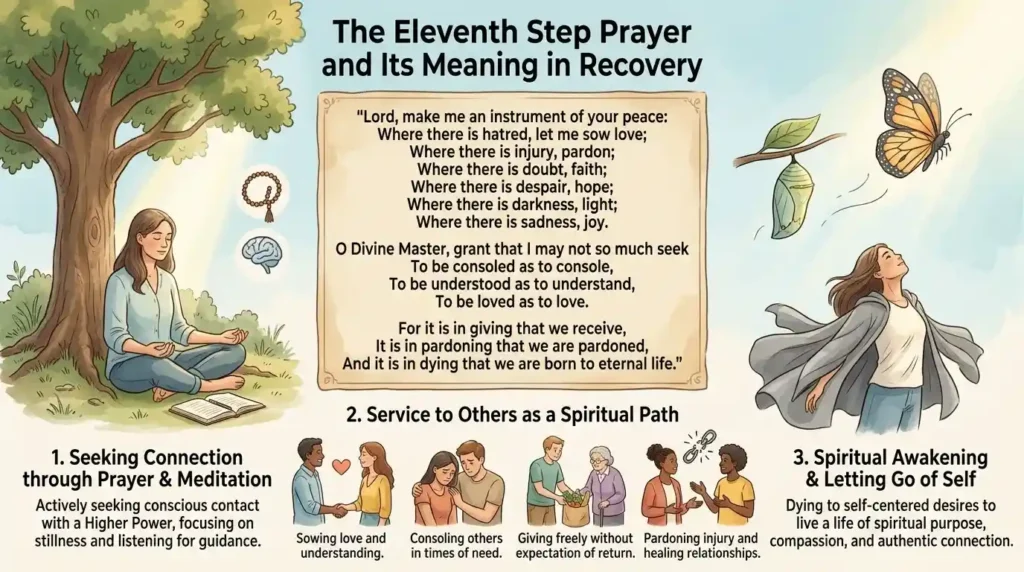
The 11th step prayer is an important part of step eleven which encourages members to improve their conscious contact with a Higher Power through prayer and meditation. While earlier steps focus on self-examination and character growth, Step Eleven centers on seeking guidance, wisdom, and spiritual awareness. Many people use this prayer daily to stay grounded in recovery, reduce distractions, and maintain a stronger connection with their spiritual principles.
Complete 11th Step Prayer
The commonly used 11th step aa prayer states:
Higher Power, as I understand You, I pray to keep my connection with You open and clear from the confusion of daily life. Through my prayers and meditation, I ask especially for freedom from self-will, rationalization, and wishful thinking. I pray for the guidance of correct thought and positive action. Your will, Higher Power, not mine, be done.
This prayer reflects the desire to seek spiritual guidance, develop clarity of thought, and live according to principles that support recovery and personal growth.
How Step Eleven Deepens Spiritual Awareness
Step Eleven helps individuals move beyond simply asking for help and begin developing an ongoing relationship with their Higher Power. Through regular prayer, meditation, and reflection, members learn to quiet distractions and become more aware of spiritual guidance in everyday life. Over time, this practice can increase peace of mind, strengthen faith, improve decision-making, and provide a greater sense of purpose throughout the recovery journey.
Saint Francis Prayer AA and Its Role in Recovery
The st francis prayer aa has become one of the most cherished spiritual readings within recovery communities. Although it is not officially part of the Twelve Steps, many members find its message of peace, humility, forgiveness, and service deeply meaningful. The prayer encourages individuals to focus less on personal desires and more on helping others, which closely aligns with the spiritual principles found throughout Alcoholics Anonymous.
The History of the Saint Francis Prayer
The saint francis prayer aa is traditionally associated with saint francis of assisi, a Christian friar known for his humility and dedication to serving others. The prayer became widely recognized for its message of bringing love where there is hatred, hope where there is despair, and light where there is darkness. Over the years, its themes of selflessness and compassion have resonated strongly with people seeking spiritual growth and recovery.
Why Many AA Members Use This Prayer
The aa prayer of st francis is often used because it reinforces many of the same principles found in alcoholics anonymous, including humility, service, forgiveness, and spiritual transformation. Members appreciate how the prayer encourages them to focus on helping others rather than dwelling on personal struggles. By practicing these principles, individuals can strengthen their recovery, build healthier relationships, and develop a deeper sense of peace and purpose in daily life.
Seventh Step Prayer AA vs NA: Understanding the Differences
The seventh step is an important part of both alcoholics anonymous and narcotics anonymous, but each fellowship approaches recovery through its own language and experiences. While the spiritual principles behind humility, surrender, and personal growth remain similar, the wording and focus of the prayers may differ. Understanding these differences can help individuals choose the recovery resources that best support their personal journey while appreciating the shared goal of lasting spiritual and emotional healing.
Different Recovery Approaches
The 7th step prayer na is often written in language that reflects the broader focus of Narcotics Anonymous, which addresses recovery from all forms of addiction rather than alcohol alone. In contrast, the aa seventh step prayer comes directly from the Big Book and emphasizes asking a Higher Power to remove character defects that stand in the way of usefulness and service. Despite these differences, both fellowships encourage members to practice humility, seek spiritual guidance, and become willing to change. The shared purpose of both prayers is to support personal transformation and strengthen recovery through faith and action.
7th Step Prayer AA Printable and PDF Resources
Many people find it easier to practice the seventh step prayer consistently when they can access it quickly throughout the day. Having a 7th step prayer aa printable or digital copy available allows members to revisit the 7th step prayer during meditation, recovery meetings, personal reflection, or moments when spiritual guidance is needed. printable resources can serve as helpful reminders of the principles of humility, surrender, and willingness that are central to step seven.
Printable Prayer Cards for Daily Use
A printable prayer card is one of the simplest ways to keep the seventh step prayer close at hand. Many members place prayer cards in their wallets, journals, recovery workbooks, or beside their beds. Having the prayer readily available encourages regular use and helps reinforce recovery principles during both challenging and successful moments.
Ways to Keep the Prayer Accessible Every Day
A 7th step prayer pdf can be saved on a smartphone, tablet, or computer for easy access wherever you are. Some individuals include the prayer in a daily recovery journal, display it in a visible location at home, or add it to their meditation routine. The easier the prayer is to access, the more likely it becomes a meaningful and consistent part of daily recovery and spiritual growth.
Understanding Step Five Before Practicing Step Seven
Before reaching Step Seven, members are encouraged to complete important groundwork through Step Five. In the step 5 aa process, individuals openly admit the exact nature of their wrongs to themselves, a Higher Power, and another person. This step promotes honesty, accountability, and self-awareness, creating the foundation necessary for the humility and willingness required in Step Seven. Without this deeper understanding of personal shortcomings, meaningful character change can be difficult to achieve.
Why Step Five Matters in Recovery
Step five helps individuals move beyond denial and face their past with honesty and courage. By sharing personal inventories and acknowledging mistakes, members often experience relief from guilt, shame, and secrecy. This openness creates an opportunity for healing and prepares the mind and heart for continued spiritual growth.
The Connection Between Steps Five and Seven
Step five identifies character defects, while Step Seven focuses on asking a Higher Power to remove them. These steps work together as part of a larger process of personal transformation. Once individuals recognize the attitudes and behaviors that hinder recovery, they become better equipped to seek meaningful change through prayer, humility, and spiritual action.
Preparing for Spiritual Transformation
Spiritual transformation rarely happens overnight. It begins with honest self-examination and a willingness to grow. By completing step five and embracing its lessons, members develop the self-awareness necessary to approach Step Seven with sincerity and commitment. This preparation helps create lasting changes that support both recovery and personal development.
First Step of Alcoholics Anonymous Explained
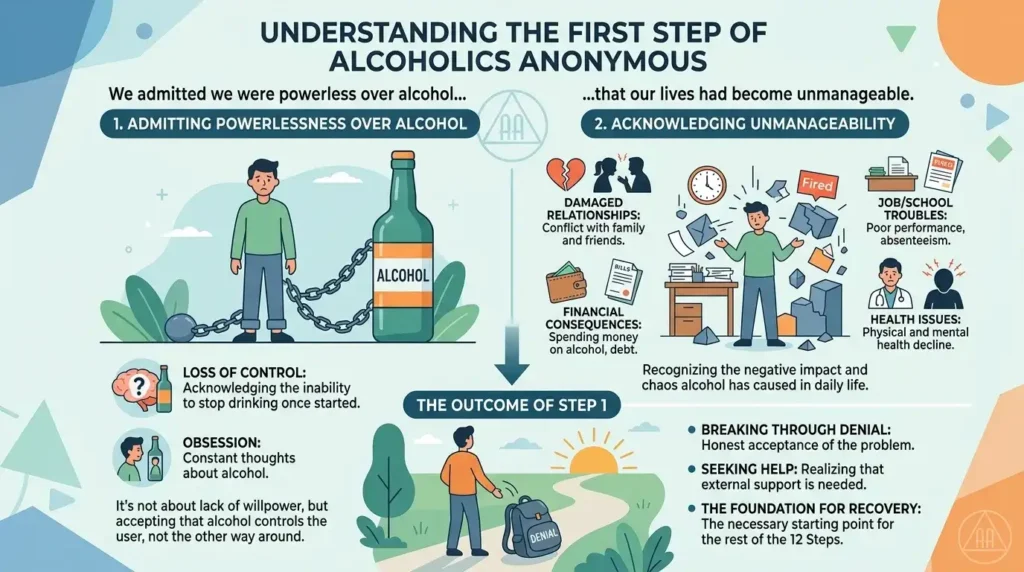
The first step of alcoholics anonymous serves as the foundation for the entire recovery program. It introduces the principle of acceptance by encouraging individuals to acknowledge the impact alcohol has had on their lives. While this admission can feel difficult, it often marks thparents day quotese beginning of hope, healing, and positive change. Every step that follows builds upon the honesty and willingness first developed in Step One.
Admitting Powerlessness Over Alcohol
The first step asks individuals to admit that they are powerless over alcohol and that their lives have become unmanageable. This admission is not a sign of weakness but rather an act of courage and honesty. By recognizing the reality of addiction, people can begin seeking the help and support needed to pursue recovery and lasting sobriety.
Why Acceptance Starts the Recovery Process
Acceptance is the gateway to change. When individuals stop fighting reality and acknowledge the challenges they face, they become more open to guidance, support, and new solutions. This shift in mindset allows recovery to begin and creates a strong foundation for the spiritual principles found throughout the twelve steps. By accepting where they are today, individuals can take meaningful steps toward a healthier and more fulfilling future.
Complete Guide to the 12 Steps to AA
The 12 steps to aa form the foundation of alcoholics anonymous and provide a structured path toward recovery, spiritual growth, and long-term sobriety. Often referred to as the 12 and 12 these steps guide individuals from admitting powerlessness over addiction to building a meaningful life centered on service, honesty, and spiritual awareness. Each stage of the journey is designed to support emotional healing, personal responsibility, and a stronger connection with a Higher Power.
Steps Building Faith and Surrender
| Step | Focus | Meaning in Recovery |
| Step 1 | Acceptance | Admitting powerlessness over alcohol and recognizing life has become unmanageable. |
| Step 2 | Hope | Believing that a Higher Power can restore sanity and bring healing. |
| Step 3 | Surrender | Making a conscious decision to turn will and life over to spiritual guidance. |
These first three steps help individuals move from denial to acceptance and build the foundation of trust, faith, and willingness needed for recovery. They mark the beginning of spiritual openness and emotional readiness for change.
Steps Personal Inventory and Change
| Step | Focus | Meaning in Recovery |
| Step 4 | Self-Examination | Taking a fearless moral inventory of personal strengths and weaknesses. |
| Step 5 | Honesty | Admitting the exact nature of wrongs to oneself, a Higher Power, and another person. |
| Step 6 | Willingness | Becoming ready to have character defects removed. |
| Step 7 | Humility | Humbly asking a Higher Power to remove shortcomings and character defects. |
These steps focus on deep personal reflection and transformation. They help individuals understand their behaviors, accept responsibility, and prepare for meaningful spiritual change through humility and willingness.
Steps Healing, Service, and Spiritual Growth
| Step | Focus | Meaning in Recovery |
| Step 8 | Accountability | Making a list of people harmed and becoming willing to make amends. |
| Step 9 | Restitution | Making direct amends wherever possible, except when it causes harm. |
| Step 10 | Maintenance | Continuing personal inventory and promptly admitting mistakes. |
| Step 11 | Spiritual Growth | Improving conscious contact with a Higher Power through prayer and meditation. |
| Step 12 | Service | Carrying the message to others and practicing principles in daily life. |
These final steps emphasize healing relationships, maintaining spiritual awareness, and living a life of service. They represent ongoing growth, accountability, and the continuation of recovery beyond initial sobriety.
What the 12 and 12 Teaches About Step Seven
The 12 and 12 twelve steps and twelve traditions offers deeper insight into how step seven works as a turning point in personal recovery. It explains that this step is not about becoming perfect, but about developing true humility and a willingness to change. step seven focuses on asking a Higher Power to remove character defects that block spiritual progress, helping individuals move from self-awareness to real transformation in daily life.
The Twelve Steps and Twelve Traditions
The twelve steps and twelve traditions emphasizes that Step Seven builds on earlier steps like self-examination and honesty. It teaches that character defects often stem from ego, fear, and self-will, and these patterns can only be released through humility and spiritual willingness. The book highlights that progress in recovery comes through ongoing effort, not instant change, and that spiritual growth is a gradual process supported by prayer, reflection, and commitment to personal improvement.
Applying Step Seven in Everyday Life
Applying step seven in daily life means becoming aware of thoughts, emotions, and actions that may reflect old patterns. It encourages individuals to pause, reflect, and ask for guidance when facing challenges or temptations. Many people in recovery use this step to stay grounded, practice humility in relationships, and remain open to change. Over time, Step Seven becomes a practical tool for emotional balance, spiritual awareness, and healthier decision-making.
Daily Recovery Readings and Spiritual Resources
Daily recovery readings play an important role in strengthening spiritual awareness and maintaining sobriety. One of the most widely used resources is 24 hours a day aa a daily meditation book that offers guidance, encouragement, and reflection for individuals in recovery. These readings help reinforce the principles of alcoholics anonymous and support consistent spiritual practice throughout the day.
Using 24 Hours a Day AA for Daily Reflection
The 24 hours a day aa book provides short, meaningful reflections that help individuals start or end their day with focus and intention. Many people use it during morning prayer or evening reflection to stay connected to recovery principles. Its simple messages encourage gratitude, honesty, and spiritual awareness, making it a valuable tool for daily growth.
Recovery Literature That Supports Prayer and Meditation
Along with 24 hours a day other recovery literature such as the aa big book and twelve steps and twelve traditions provides essential guidance for prayer and meditation practice. These texts reinforce the importance of spiritual connection, self-reflection, and daily commitment to personal growth. Together, they help individuals stay grounded in recovery principles and strengthen their relationship with a Higher Power.
Building Consistency Through Daily Readings
Consistency is key in recovery, and daily readings help build a stable spiritual routine. Setting aside time each day for reflection encourages discipline, mindfulness, and emotional balance. Over time, this practice can reduce stress, improve clarity, and support long-term sobriety by keeping recovery principles active in everyday life.
FAQ’s
What Is the Seventh Step Prayer in AA?
The seventh step prayer in aa is a spiritual prayer asking a Higher Power to remove character defects. It focuses on humility, surrender, and willingness to change. It is commonly used in recovery to support emotional healing, spiritual growth, and long-term sobriety through daily reflection and honest self-awareness.
Is the Seventh Step Prayer Found in the Big Book?
Yes, the seventh step prayer is found in the aa big book and is used during step seven. It guides members to seek help from a Higher Power to remove shortcomings and develop a more spiritual, balanced, and responsible way of living in recovery.
What Are Character Defects in Step Seven?
Character defects in step seven are negative traits such as pride, fear, anger, selfishness, dishonesty, and resentment. These behaviors can block spiritual progress and recovery. Step Seven encourages individuals to recognize these defects and ask a Higher Power to remove them for personal transformation and healing.
What Is the Difference Between the Third and Seventh Step Prayers?
The third step prayer focuses on surrendering life and will to a Higher Power, while the seventh step prayer focuses on asking that Higher Power to remove character defects. Both prayers work together, but Step Three is about surrender, and Step Seven is about transformation and inner change.
Is There a Printable 7th Step Prayer PDF?
Yes, many websites offer a 7th step prayer pdf that can be downloaded and printed. These resources help individuals keep the prayer visible for daily use, reflection, meditation, and recovery support, making it easier to stay consistent with spiritual practice.
How Often Should I Pray the Seventh Step Prayer?
There is no strict rule, but many people pray the seventh step prayer daily. It is often used in the morning, during meditation, before meetings, or during stressful moments. Regular practice helps strengthen humility, awareness, and connection with a Higher Power.
What Is the Third Step Prayer?
The third step prayer is a surrender prayer asking a Higher Power to take control of one’s life and remove self-will. It helps individuals accept guidance, trust spiritual direction, and begin building a stronger foundation for recovery and personal growth.
Can I Use the Seventh Step Prayer Outside of AA?
Yes, the seventh step prayer can be used by anyone, not only AA members. It supports humility, healing, emotional balance, and spiritual growth. Many people use it in daily life for guidance, self-improvement, and developing a deeper sense of peace and purpose.
What Is the Third Step Prayer in AA?
The third step prayer in aa is a spiritual prayer that asks God to guide life, remove self-centered thinking, and provide direction. It helps individuals move from self-control to spiritual trust, supporting recovery and healthier decision-making.
What Is the Connection Between Steps 3, 5, 7, and 11?
Step three focuses on surrendering to a Higher Power, step five on honesty and confession, step seven on removing character defects, and step eleven on prayer and meditation. Together, these steps build a continuous spiritual foundation for growth, awareness, and lasting recovery.
Conclusion
The seventh step prayer aa is a powerful part of the recovery journey that focuses on humility, surrender, and spiritual transformation. It helps individuals in alcoholics anonymous release character defects and build a stronger connection with a Higher Power. When practiced consistently, this prayer supports emotional healing, self-awareness, and long-term sobriety. It also works closely with other steps like the Third, Fifth, and Eleventh Steps, creating a complete spiritual framework for personal growth and recovery.
Overall, the seventh step prayer aa is more than just words it is a daily practice of letting go and growing. Whether used in reflection, meditation, or prayer time, it encourages positive change and inner peace. By embracing this prayer, individuals can strengthen their recovery foundation, improve their mindset, and move forward with greater faith, clarity, and purpose in life.

Usman Ahmad is the founder and content creator at BibleDailyPrayers, a faith-based platform dedicated to sharing daily Bible prayers, scriptures, and spiritual encouragement. He is passionate about helping believers strengthen their prayer life and grow closer to God through clear, Scripture-centered content. Usman focuses on creating original, user-friendly, and spiritually uplifting resources that inspire faith, hope, and consistent devotion.